
Tile vs Marble Flooring: Sustainability, Durability & Cost Comparison
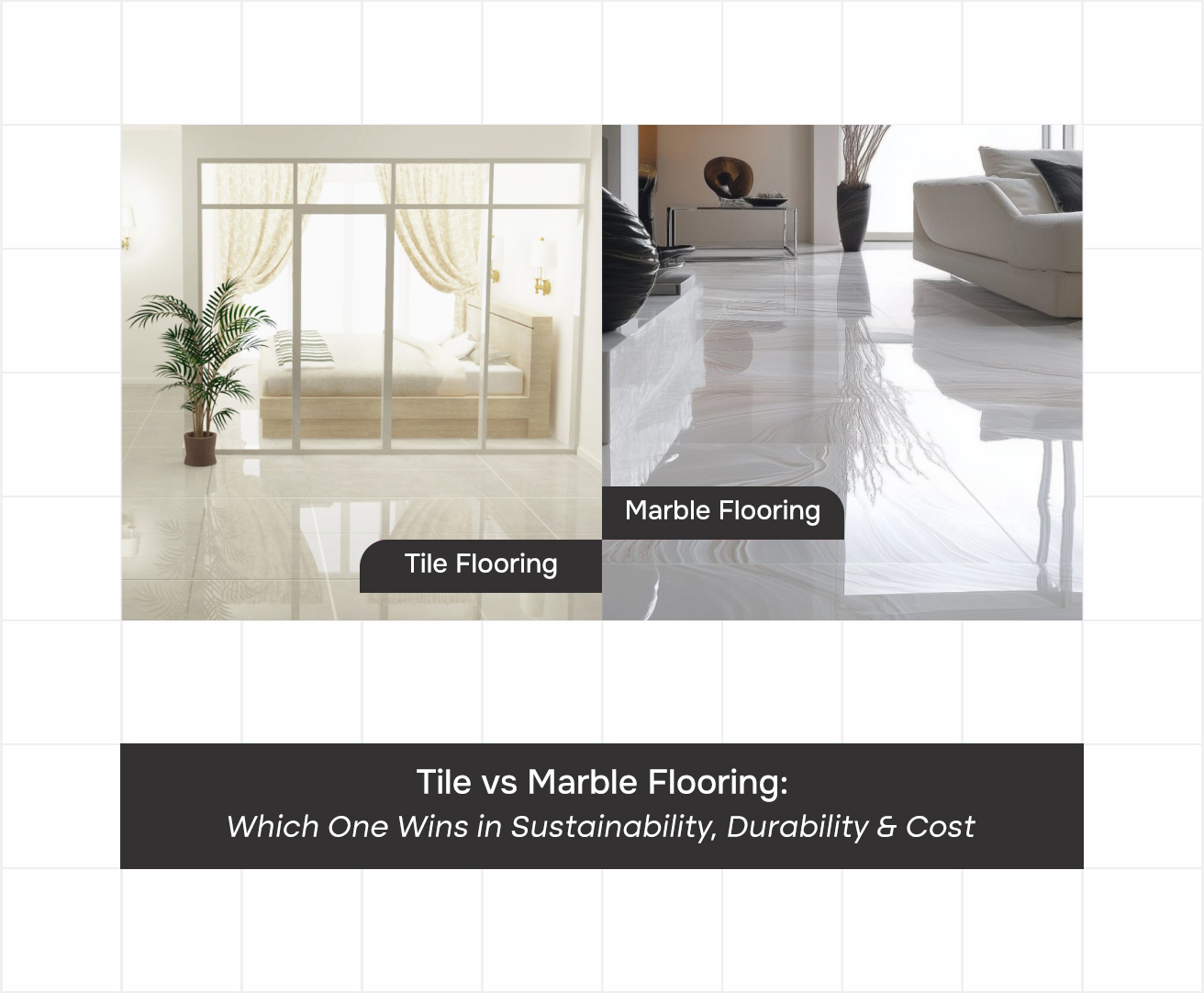
You’ve picked the wall colour. Finalised the furniture. Even done with the curtain patterns. But then comes the real question: tiles vs marble flooring.
Let's be honest here, flooring doesn’t feel the most glamorous part of your home planning until you realise how much it affects everything! From the way your home looks and feels, making the right decision is essential.
Should I go for the royal coolness of marble or the modern-day brilliance of tiles?
If you’re also one of those wondering marble vs tiles—which is better for Indian homes, this blog brings you clarity like never before. We’ll walk you through the actual marble vs tiles price difference, compare their durability, sustainability, and show you the real deal on what’s worth your money.
With the ceramic tiles export booming in India and brands like Itaca Ceramic setting new standards with its innovative tiles, it’s not just about style anymore. It’s about smart and sustainable living.
What Is Marble Flooring?
Think of marble as the grand old royalty of flooring. Elegant, luxurious, but definitely high-maintenance!
Quarried from the earth, marble has been the symbol of luxury in homes for centuries. From the stunning Taj Mahal to the Tower of Pisa, marble has stood the test of time as a material of grandeur, grace, and architectural legacy.
But what about its practicality for today’s home? Let’s break it down:
Why people love it:
- Beautiful patterns, unique veins. No two slabs are the same
- Adds an instant luxurious touch to homes and commercial spaces alike
- Feels cool underfoot, especially in hot regions
What’s the catch?
- It’s porous and absorbs stains easily
- High maintenance. Needs regular polishing and sealing
- Scratches easily (marble is a delicate diva)
- Heavy carbon footprint
Marble may feel like a dream, but for modern homes and busy lifestyles, it’s a question to ponder: Is the frequent upkeep worth it?
What Is Tile Flooring?
If marble is the ultimate classic, tiles are the modern all-rounder—stylish, low-maintenance, and powerful beneath your feet.
Tile flooring is made of natural materials like clay, minerals, and sand at high temperatures. The result? A durable and versatile surface that can mimic any look, wood, marble, stone, or concrete.
From ceramic and porcelain to slab and vitrified tiles, the choices are infinite and ever-expanding, thanks to ceramic tiles manufacturers constantly creating new designs.
Why do tiles work for most homes?
- They come in endless colours, designs, textures, and patterns.
- Tiles are water, scratch and stain resistant
- No need for periodic sealing or polishing
- Comes in a wide price range for every budget
What to be aware of?
- Poorly installed or low-quality tiles
- Grout lines may need occasional cleaning
- Cold to touch in winters (but great for Indian summers!)
Pro Tip: Before purchasing flooring tiles, verify if your ceramic tile manufacturer offers high-quality, certified products. Choose a reliable ceramic tile manufacturer in Morbi, like Itaca Ceramic.
Marble vs Tile Flooring: The Ultimate Comparison
Now that you know what marble and tiles are individually, let’s understand them better in comparison.
Let’s compare them on factors that matter most: style, design, sustainability, durability, slip-resistance, and cost. Whether you’re making your dream home or upgrading the rental space, these differences will help you save money and avoid future regrets.
So, marble or tiles: which is better for flooring? Let’s find out.
01. Marble vs Tiles: Design & Aesthetic Appeal
When it comes to flooring, looks matter. Whether you want an elegant, nature-inspired or ultra-modern look, choosing the right flooring sets the tone for your entire space.
So, marble vs tiles—which is better for flooring from an aesthetic point of view? Let’s find out.
|
FEATURES |
MARBLE FLOORING |
TILE FLOORING |
|
Colour Options |
Whites, beiges and greys |
Comes in every colour, from neutrals to bold tones |
|
Visual Appeal |
Natural, luxurious, every slab is unique |
Comes in vast options. Marble, wood-look, concrete, etc. |
|
Customisation |
Mostly no (usually you get what you see) |
Completely customisable in size, design, colour or pattern |
With ceramic tile manufacturers in Morbi pushing the boundaries of design and innovation, even budget-friendly tiles mimic high-end aesthetics. So, if you want nature-inspired flooring or a modern marble look and feel, tiles have you aesthetically covered.
02. Marble vs Tiles: Which Is Better For Durability?
Flooring goes more than looks and style; it needs to hold up to real-life use, wear and tear. From the high heels clicking around and the hot chai stains to toddlers' mess and monsoon moisture, your flooring goes through a lot.
So, marble vs tiles: which is better for durability? Let’s see….
Tiles: Made For Real Life
- Water-resistant (perfect for kitchens, bathrooms, and wet areas)
- Scratch and stain-resistant
- Withstands heavy footfall
- Non-slip options available
- No regular sealing or polishing needed
Marble: Nature’s Warrior But Sensitive
- Porous in nature; stains easily if not sealed
- Regular polishing and sealing are required
- Can crack or chip due to impact
- Acidic substances (like harsh cleaners) can impact the surface
|
FEATURE |
MARBLE |
TILES |
|
Water resistance |
Low (needs regular sealing) |
High |
|
Scratch and stain resistance |
Moderate |
Excellent |
|
Maintenance |
High maintenance |
Low maintenance |
FACT: Many homeowners install tiles in high-footfall areas and kitchens, and use marble for formal and low-traffic places.
No wonder tile vs marble price difference becomes huge when you factor in maintenance. More on that soon.
03. Marble vs Tiles: Sustainability & Environmental Impact
Did You Know? Quarrying marble releases 5x more CO2 per square metre than manufacturing ceramic tiles.
In a world where sustainability and environmental care are taking the forefront, your flooring choice can make a great difference. Here’s how marble and tile compare on sustainability and eco-conscious living.
Marble Flooring:
- ? Non-renewable: Mined from finite natural reserves
- ? Heavy carbon footprint: Mining + transport
- ? Low Recyclability: Difficult to reuse
- ? Biodegradable, but comes with a cost to nature
Tile Flooring:
- ? Locally manufactured: The Main hub is Morbi in India.
- ? Recyclable: Many new-age tiles use recycled content
- ? Energy-efficient production by brands like Itaca Ceramic
- ? Not biodegradable, but is recycle-friendly
So, when it comes to eco-responsibility, tiles win this round, with style and strength.
04. Marble vs Tiles: Cost-Comparison (Initial & Long-term)
When looking to buy the right flooring, cost is crucial. Because a floor that looks luxurious shouldn’t be too expensive.
So, what’s the real tiles vs marble price difference in India?
Initial cost per sq. ft.:
- Marble: ?250–?700+ (imported ones are more expensive)
- Tiles: ?40–?200+ (includes premium tile ranges)
Installation Charges:
- Marble: High-labour charges; cutting, polishing and sealing needed
- Tiles: Easier, quicker, and cheaper to install
Long-Term Maintenance:
- Marble: Needs consistent polishing and cleaning; requires special cleaners
- Marble: Needs consistent polishing and cleaning; requires special cleaners
|
EXPENSE |
MARBLE FLOORING |
TILE FLOORING |
|
Material Cost |
High |
Medium to Premium Range |
|
Installation |
Expensive (high labour cost) |
Less expensive compared to marble |
|
Upkeep Cost |
Frequent over the years |
Nominal |
When comparing the total expense over 10 years, tiles are 50-60% more economical than marble. So whether you’re building a bungalow or revamping your 2BHK, the price difference between marble and tiles in India can impact your overall budget.
And tiles? They offer high value compared to marble, without sacrificing style and durability.
05. Marble vs Tiles: Which Is Anti-Slip & Safe?
A freshly mopped floor might look harmless, but it can be dangerous. One misstep, and it only takes a second for a serious slip to happen.
Now, imagine such a risk for a small child or an elderly parent with unsteady steps. In such scenarios, floor safety isn’t only important; it’s essential. Hence, the question arises: which is more slippery—tiles or marble?
Marble: Cool looks, Cooler Slips
- Naturally glossy and smooth
- Gets more slippery when wet
- No default anti-skid properties
- Requires anti-slip coating
Tiles: Manufactured With Safety In Mind
- Comes in anti-skid finishes (R10, R11 ratings)
- Textured tiles for wet zones: bathrooms, wash areas, balconies
- Matt/satin tiles offer anti-slip features without compromising design
- Easier to clean and maintain
If safety is your priority, and it should be, tiles offer more control than marble.
06. Marble vs Tiles: Application Suitability
Not every flooring is built for every space. What looks stunning in a living room but may quickly wear out in a bathroom or on an outdoor patio. Hence, matching the material to the function of the space is important. A smart flooring solution reduces future repairs, frequent maintenance, and safety issues.
So, what’s the application suitability for marble and tiles? Read on.
Marble Works Best For:
- Living rooms, entryways and foyers
- Low-traffic areas and decorative zones
- Spaces where luxury comes first over practicality
Tiles Work Best For:
- High-footfall areas like hallways, shops, office floors, and commercial places
- Anti-slip options are best suited for kitchens, balconies, bathrooms, and outdoor areas like terraces and patios
- Homes with kids, older people and pets
From everyday homes to elegant commercial spaces, tiles offer more flexibility than marble across different spaces—balancing beauty with durability.
Final Verdict: Marble vs Tiles — Which One Wins?
Selecting between marble and tiles isn’t only about luxury and style; it’s about how your flooring will hold on over years of seasons, spills, and traffic. While marble features natural charm and timeless elegance, it also comes with high maintenance costs and an environmental impact.
Tiles, on the other hand, go far beyond basic functionality. Thanks to advanced technology and design innovation, they offer it all—design flexibility, eco-friendliness, affordability, and safety. With vast application suitability and minimal maintenance, tiles have become the favourite choice for Indian homes and commercial spaces.
Know this before buying flooring tiles: not all tiles are the same. Quality, material used, finish and performance matter! That’s why it’s important to choose ceramic tiles manufacturer in Morbi known for superior quality tiles.
Finally, tiles vs marble: what’s the verdict?
VERDICT: If you prefer modern, cost-friendly, and sustainable flooring solutions with ever-expanding designs and variety, tiles, especially from a reputed ceramic tiles manufacturer like Itaca Ceramic, are a clear winner.
Make The Smarter Flooring Choice With Itaca Ceramic
Design innovation, latest technology, cutting-edge machinery, durable finishes, and stringent quality checks, Itaca Ceramic offers tile solutions that check all the right boxes.
As a leading ceramic tiles manufacturer in Morbi, Itaca Ceramic brings top-quality tiles to Indian homes. Whether it’s your home or a commercial project, choose tiles that are made to last and made for you.
